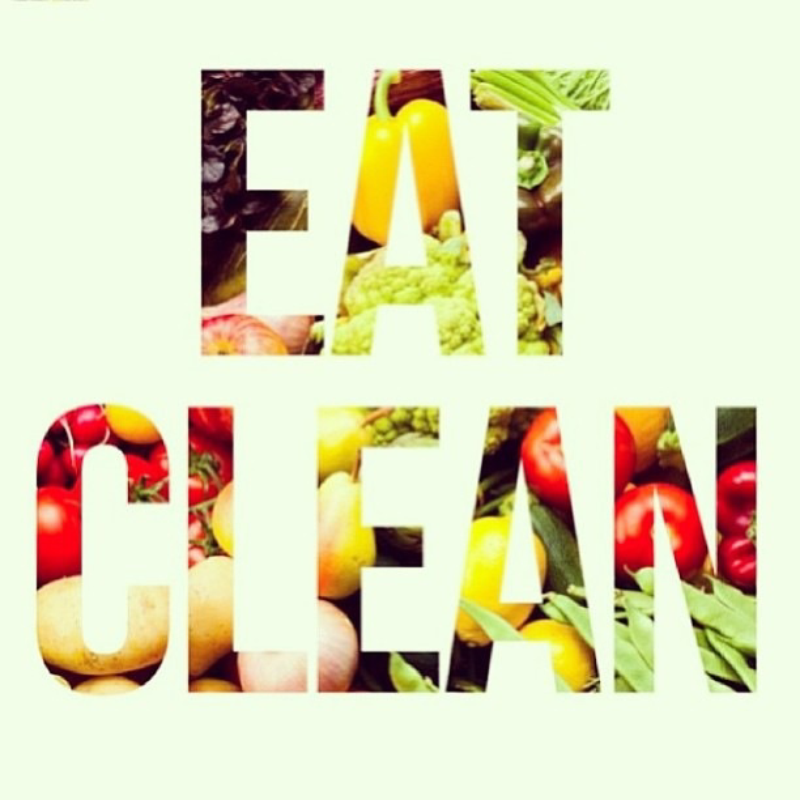
My sister asked me maybe a few weeks ago to assist her with changing her eating habits. This is something I’m passionate about, so I was eager to share. After a few minutes of going on and on about eating clean, she stopped me and asked: “What is eating clean”? I paused with a look of confusion; as I often do when I’m asked a question that I feel has an obvious answer. I get so caught up in the technical gibberish that I often forget that this is my lifestyle. After all the researching and studying that I do this lifestyle is embedded in me. This is not common knowledge to the average person. So I’m dedicating this blog to the normal person… This one is for you!
I’m sure that if you have even been remotely conscious of your eating habits in the past, you have heard of the term “eating clean”. Everywhere you turn trainers, nutritionist, health coaches, even social media fitness enthusiast alike speak of “eating clean”. Anytime someone asks questions regarding my lifestyle I’m quit to throw around the term. I never really thought about the fact that some people have no clue what I mean when I use the term “eating clean”.
What is “Eating Clean”?
Eating clean is sort of the new term for eating healthy. It’s about eating food either in its natural form/state or as close it its natural state/form as possible. There is also an emphasis on knowing where your food comes from, but I won’t get into that is this blog (stay tuned).
The basics of eating clean are simple (at least to me they are). Here are 5 tips that I hope will help you understand “eating clean”.
1. Read the labels
Many consumers get duped by tricky wording on the front of the package such as “all natural flavors”. Take time to read the nutritional facts and the ingridents on the back label. Personally, I try to avoid eating any product that has artificial ingridients such as Red dye #5 or pirodoxine hydrochloride. Clearly those aren`t “all natural flavors”.
2. Avoid processed foods
I like to call processed foods a convenient inconvenience. They are typically sold ready to eat and have everlasting expiration dates. They are high in sodium, fats, and added sugars and extremely low in nutrients. While making life easier now, they are linked to long term health issues.
3. Cook at home
Not only is cooking at home a wallet friendly option, it’s healthier. It’s also the best way to keep track of what you are consuming. Though healthy options are seemingly becoming more popular at restaurants, the truth is the preparation process is still unknown. You can never really know what’s in your food unless you purchase and cook it yourself.
4. Drink plenty of water
Your body can easily confuse thirst with hunger. Drinking ample water will not only keep you hydrated but aid in preventing those hasty trips to the vending machine.
5. Preparation, preparation, preparation is key
I’m not one to meal prep; however, I am always prepared. Packing my food for the day helps me stay on track. Be mindful of what you have planned for that day and pack your food and snacks accordingly.
I hope you enjoyed reading this post just as much as I enjoyed writing it. Take some time to leave feedback in the comments below, and feel free to share this post with your family and friends.
Peace Love & Fitness,
Fit Chick Behavior
 FitChickBehavior